
March in Hong Kong looks romantic on Instagram—fog over the harbour, light rain, flower shows and Art Month events everywhere. But if you have sensitive skin or you are new to Hong Kong’s “wet spring”, your face might be telling a different story: red cheeks, itchy patches, tiny rash‑like bumps and mild eczema flare‑ups.
For many expats from tropical countries like the Philippines and Indonesia, this mix of higher humidity, more rainy days and changing pollen or pollution can feel very unfamiliar. Even local sensitive‑skin girls and guys often say, “Every March my face becomes a red, itchy mess.”
In this Spring Allergy Skin SOS guide, Skin Beauty Intl in Causeway Bay shares a calm, science‑based plan: what to do today when your face is already angry, and how to stabilise it over the next week. No heavy concealer mask, no fear‑mongering—just barrier repair and smart, gentle care.
Why Hong Kong’s Humid Spring Triggers Red & Itchy Faces
As the weather shifts from cooler winter to humid spring, both temperature and moisture in the air increase. More rainy days and damp conditions can encourage mold, dust mites and other allergens, while outdoor flower and green spaces may release more pollen. At the same time, we still spend lots of time in air‑conditioned indoor spaces.
If your skin barrier is already a bit weak, this constant switch between damp, polluted air outdoors and drier, cool air indoors can make it even more sensitive. The result: your skin reacts faster—turning red, stinging with some products, or feeling itchy after sweating or getting caught in light rain.
Same‑Day SOS: What to Do When Your Face Is Already Red and Itchy
1. Simplify immediately (3 products max)
Tonight and tomorrow, cut your routine down to the basics:
- One gentle, fragrance‑free cleanser (or just rinse with lukewarm water in the morning if your skin is very irritated).
- One soothing, barrier‑friendly moisturizer with ingredients like ceramides, glycerin or madecassoside.
- Daytime only: one sunscreen that does not sting your skin—if everything burns, skip makeup and focus on shade and hats for a day or two.
Stop all scrubs, clay masks, strong acids and retinoids until your skin calms down.
2. Cool, don’t shock
If your face feels hot and itchy:
- Use a cool (not ice‑cold) damp cotton pad or soft cloth on the cheeks and forehead for a few minutes.
- Avoid very hot showers and washing your face directly under strong water flow.
- Do not scratch—lightly tap or press if you really need to touch the area.
Cooling helps reduce redness and itch without stressing the capillaries or barrier even more.
3. Makeup strategy for “red but must work” days
Sometimes you still need to go to the office or an event even when your face is flaring:
- Use a thin layer of soothing moisturizer first and let it fully absorb.
- Spot‑conceal only the very red areas with a creamy concealer instead of a full heavy foundation layer.
- Avoid long‑wear matte formulas that cling to dry or irritated patches.
Your goal is to look presentable while still letting your skin breathe and heal.
🧴 Spring Skin SOS Quiz: Irritated, Allergic or Just Very Dry?
Answer these to better understand what your skin is trying to say:
1. How fast does your skin react?
2. What do your “itchy areas” look like?
3. When is it worst?
One‑Week Stabilising Plan: Help Your Barrier Catch Up
Days 1–3: Protect and calm
- Keep your routine minimal: gentle cleanse, soothing serum or toner (if tolerated), barrier cream, sunscreen.
- Avoid trying new products, strong actives or home devices.
- Sleep a bit earlier if you can—even one extra hour helps inflammation settle.
Days 4–7: Slowly rebuild
- If your skin is less red and itchy, you can slowly re‑introduce one mild product at a time (for example, a light hydrating serum).
- Keep exfoliation very gentle and at most once this week, or skip if your skin still feels fragile.
- Continue focusing on moisturizers that say “for sensitive skin” or “barrier repair”.
Think of this week as giving your skin a short “holiday” from stress so it can rebuild its protective shield.
How an Affordable Facial HK Calm‑Skin Treatment Fits In
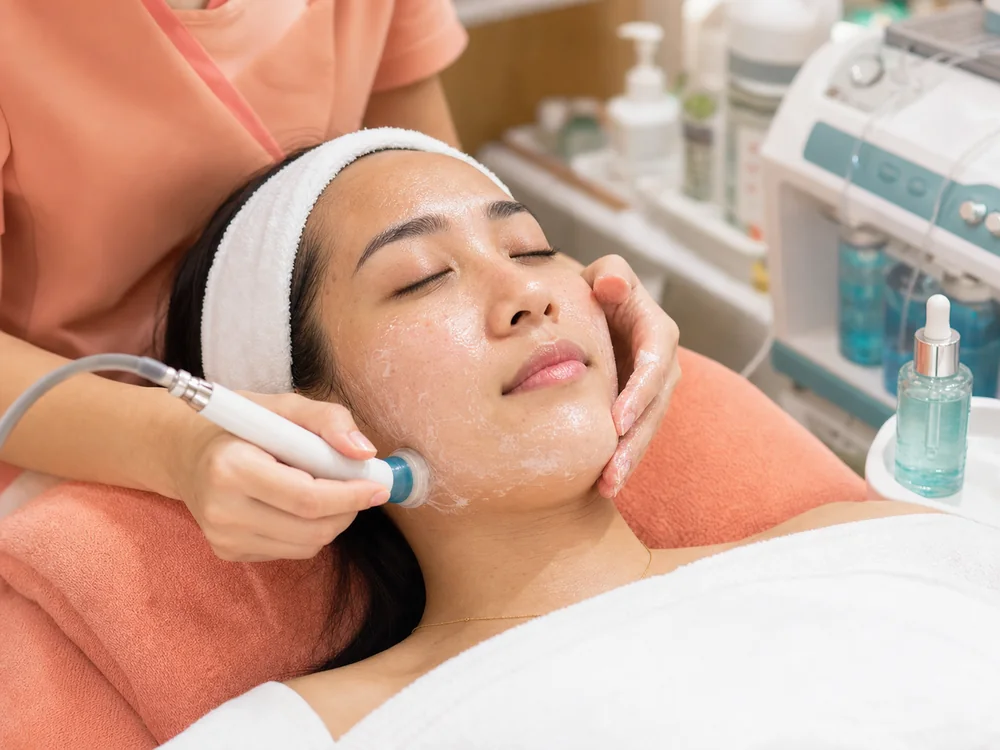
If home care is not enough, a gentle professional treatment can support you—especially if your job, commute or lifestyle makes it hard to avoid triggers.
- Look for facials that focus on calming and hydration, not aggressive extractions or peeling.
- Ask the therapist to avoid strong fragrances, alcohol‑heavy products and very hot steam if you are sensitive.
- Short, soothing sessions during this “unstable” spring period can help your barrier feel safer and less reactive.
At Skin Beauty Intl in Causeway Bay, we specialise in friendly, high‑value care for sensitive and allergy‑prone skin. We explain each step in clear English so expats, OFWs and locals know exactly how a treatment supports the barrier instead of fighting against it.
Frequently Asked Questions
How do I know if it is eczema or “just” irritation?
Mild eczema and irritation can look similar. Warning signs for eczema include repeated flares in the same areas, very dry or thickened patches, and strong itch that affects your sleep or daily life. If you are unsure or symptoms are severe, it is always best to consult a doctor. Our role is to support the skin barrier with gentle care, not to replace medical treatment.
Can I still use acids or retinol during Hong Kong’s spring allergy season?
If your skin is currently red, itchy or rash‑like, it is safer to pause strong acids and retinol until it calms down. Once your barrier feels stable again (no stinging, no visible irritation), you can slowly re‑introduce them one at a time, using them less frequently than in winter.
Are “sensitive skin” facials really different from normal facials?
Yes, when done properly. A sensitive‑skin facial should avoid harsh scrubs, very hot steam and heavily perfumed products. Instead, it should use mild cleansers, soothing masks, hydrating serums and light massage techniques to support circulation without overstimulating the skin. This approach is especially helpful during Hong Kong’s damp, allergy‑heavy spring months.